
Where to Buy Organic, All-Natural, Chemical-Free Mattresses
Most of us now understand the value of organic food, but far fewer people have thought about what it means to sleep on an organic mattresses. You are not eating your mattress, but you are spending a third of your life lying on it, breathing in whatever it is made from. For anyone trying to create a healthier bedroom, the question becomes: where can you find a truly organic, chemical free mattress—and how do you know it is the real thing?
Before modern foams and innersprings existed, people slept on simple, natural materials like cotton, wool, straw, or other plant fibers. In a way, organic mattresses are a return to that idea: using clean, natural ingredients instead of layers of synthetic foam and chemical flame retardants.
What Is an Organic Mattress?
At the most basic level, an organic mattress is made from natural fibers and fillings that are grown or raised without synthetic pesticides, fertilizers, or harsh chemical treatments. Common ingredients include organic cotton, pure wool, and natural latex. A truly organic mattress also avoids petroleum-based foams, polyester batting, and chemical flame retardants.
Many products on the market borrow the language of “green,” “eco,” or “natural,” but still rely heavily on synthetic materials. Some “organic” models use a small amount of organic cotton on the surface, then wrap it around regular polyurethane foam. Others are mostly conventional beds with a thin natural layer added on top. If you want a mattress that is as clean as possible, look for clear descriptions of what is inside—and how much of it is actually organic.
Why Choose an Organic or Chemical-Free Mattress?
The main motivation is reducing your exposure to unnecessary chemicals while you sleep. Most conventional mattresses use flame retardant systems such as borate blends, treated barriers, or additives in the foam itself. Standard polyurethane foams are petroleum based, and conventionally grown cotton is often treated with pesticides and other agricultural chemicals.
For many people this is not noticeable beyond a slight “new mattress smell,” but for those with asthma, sensitive skin, or chemical sensitivities, the off-gassing odors and accumulated exposure can be uncomfortable. Some customers report headaches, throat irritation, or a tight chest when they sleep on very new synthetic beds. Others simply want to avoid sleeping directly on materials they do not fully understand.
An organic or chemical free mattresses option is designed to minimize these concerns. Instead of relying on added flame retardants, these beds often use wool as a natural flame barrier, along with organic cotton ticking and natural latex or cotton batting for support.
Organic Futons vs. Conventional Mattresses
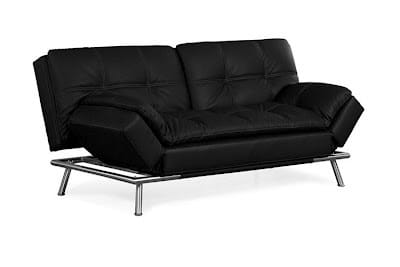
When people begin researching cleaner sleep options, they often discover two main paths: traditional-style organic beds and organic futon-style mattresses. A futon is simply a mattress that bends—it can be used on a futon sofa frame, on a platform bed, on a tatami mat, or even directly on the floor.
Modern futons come in many constructions: foam, latex, innerspring, memory foam, and blends of these. For those wanting a simpler, more traditional feel, an organic futon mattress built from cotton, wool, and possibly natural latex can be a very appealing alternative. It avoids the complexity of conventional coil systems and relies on dense natural fibers for support.
Finding these kinds of mattresses in a typical bedding store can be difficult. Many retailers carry only mainstream brands and may only offer “mostly natural” models with a mix of organic and synthetic materials. Fully organic builds can be rare—and when you do find them, they are often priced at a premium.
Comfort Pure: 100% Organic Futon Mattresses at Futonland
Futonland, one of the largest online futon specialists in the country, introduced its own line of 100% organic futon mattresses to make it easier to buy truly natural bedding. When we say 100% organic in this context, we mean that no borate flame retardants or other conventional chemical additives are used in the production of the mattress itself.
Many so-called “organic” mattresses are only partly organic—perhaps 70–80% by content—with the remainder made up of soy-blend foams, recycled innersprings, or polyester layers. By contrast, Comfort Pure organic futons focus on straightforward natural ingredients: organic cotton, pure wool, and natural fabrics. The cotton used is certified organic by USDA and TDA, and materials are sourced from U.S. growers and ranches whenever possible.
Comfort Pure futon mattresses are handmade to order in Vermont. The cotton batting is densely packed and tufted to keep it from shifting, while the stitching is designed to help the mattress hold its shape for many years. Thickness options typically range from slim 3-inch shikibuton-style pieces up to approximately 8-inch models for those who want a more traditional, cushioned feel. With proper care and regular rotation, these mattresses can offer a long service life compared to many mass-produced beds.
How Comfort Pure Differs from “Imitator” Organic Mattresses
On the market today you will also find lower-priced mattresses marketed as organic or natural, often built with compromises in the core. Common substitutions include soy-based polyurethane foam, recycled innerspring units, and polyester casings. While these may reduce cost, they move further away from a truly simple, natural build.
Comfort Pure futons focus instead on a short list of high-quality materials: organic cotton batting and layers of wool, sometimes combined with natural fabrics in the outer shell. There is no petroleum-based foam hidden inside. For customers who seek an all-natural sleeping surface, this distinction matters; they want to lie directly on cotton and wool, not on foam mixed with a small amount of plant-based content.
Because these futon mattresses are firm and supportive, they appeal to people who want a sleep surface closer to traditional Japanese bedding. Used on a platform frame or even on tatami bed frames, they provide a naturally resilient, low-profile feel that many sleepers with back issues find more comfortable than a soft innerspring.
Where and How to Buy an Organic Mattress
When you are ready to buy, start by deciding which style suits you best: a more conventional organic bed built on a coil or latex core, or a simpler futon-style mattress that can bend and move with your furniture. If you prefer a classic bed look, consider exploring the range of organic mattresses that combine certified materials with familiar comfort profiles. If you like the idea of a flexible setup that can work on futon frames, platforms, or the floor, a Comfort Pure futon may be more appealing.
Pay close attention to labels and descriptions. Look for clear statements about what percentage of the mattress is organic, what materials are used in the core and comfort layers, and whether any chemical flame retardants are present. Certifications can help, but so can straightforward construction details and transparent ingredient lists.
Finally, remember that your sleep system is more than just the mattress. Pairing your organic futon or bed with natural supportive mattress bases, breathable cotton sheet sets, and properly sized pillows will help you get the most out of your investment.
Choosing a Healthier Way to Sleep
Organic, all-natural, chemical-free mattresses are not a passing trend; they are a response to real concerns about what we bring into our homes and how it affects our bodies over time. Whether you choose a traditional organic bed or a handmade Comfort Pure futon, you are opting for simpler ingredients, clearer labeling, and a closer connection to the materials you sleep on every night.
For people who want firm, natural support and a more minimalist approach to bedding, Comfort Pure futon mattresses offer a modern way to return to time-tested materials—cotton, wool, and thoughtfully crafted construction—without the additives and complexity of many mainstream beds.