
Finding the Perfect Mattress for Your Day Bed: A Comprehensive Guide
When you are furnishing a flexible, multi-purpose room, a day bed is one of the most practical pieces you can choose. By day, it works as a sofa for reading, working, or watching TV. By night, it becomes a sleep space for you or your guests. To make that versatility truly work, you need the right mattress — one that can handle both lounging and sleeping without sagging or wearing out too quickly.
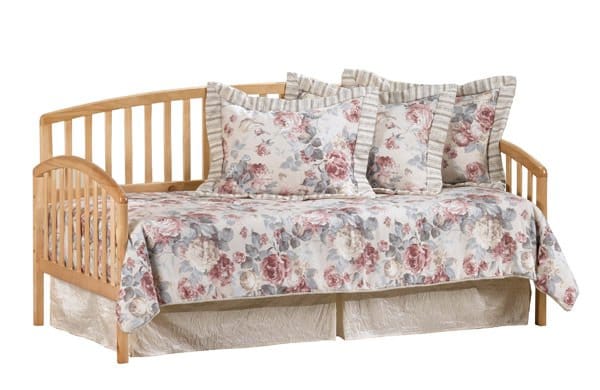
What Makes a Day Bed Different?
A day bed is essentially a twin-sized bed with arms on the sides and often a finished back in wood or metal. That sofa-like frame is what allows it to work as seating during the day and a bed at night. Many models also include an optional trundle underneath, turning one footprint into sleeping space for two.
Because a day bed is used in more than one way, the mattress has to do more than a standard twin bed mattress. It needs to be comfortable for sleeping, supportive enough for sitting along the back rail, and slim enough to work with arms, back panels, and trundle clearance. Choosing “any twin mattress” is rarely the best approach — a mattress tailored for day bed use will usually feel better and last longer.
Key Things to Consider Before You Buy
Before settling on a daybed mattress, think about how the space will actually be used:
- Primary use: Will this be a main bed, extra guest bed, or mostly a lounging spot?
- Comfort preference: Do you prefer a firmer, more supportive feel or something softer and cushier?
- Thickness limits: How high can the mattress be before it covers too much of the back rail or interferes with a trundle?
- Durability needs: Will kids be jumping on it, or is it for adults only? Is it used daily or a few times a month?
- Allergies and materials: Are you looking to avoid certain fibers or prefer more natural constructions?
For most day beds, a 6–8 inch thick mattress is the sweet spot: thick enough for comfort, but not so tall that it makes the seating height awkward or blocks the design of the frame.
Why Foam and Futon Mattresses Work So Well on Day Beds
If your day bed will be used primarily for sitting and lounging, a twin futon-style mattress is often a better choice than a traditional innerspring. A futon mattress built with layers of foam and cotton, or all high-density foam, is designed to be sat on like a sofa and slept on like a bed. That makes it a natural fit for daybeds that see a lot of daytime use.
Traditional spring mattresses are usually thicker and intended for flat, bed-only use. When you sit on the front edge of a standard innerspring, your body weight is concentrated in a small area, which can cause the coils to fatigue faster and the border to sag. Foam-based daybed mattresses distribute that pressure more evenly and are less likely to develop a “trough” where people sit most often.
For a day bed that doubles as a reading nook, TV lounge, or home office sofa, a supportive foam futon mattress will typically hold its shape better than a basic spring unit.
Futon Mattresses by Otis Bed for Day Beds
Otis Bed is known for high-density foam futon mattresses that behave more like serious bedding than casual pads. Several of their models work extremely well as twin mattresses on day beds, especially in high-traffic rooms.
Stratosphere is the thinnest of the three popular options at around 6½ inches. Don’t let the profile fool you — it uses industrial-strength foam that offers firm, even support with a surprisingly comfortable surface feel. On a day bed, the Stratosphere keeps the overall height low and neat while still feeling substantial enough for sleeping.
Haley 110 steps up the cushioning and thickness. It is designed to feel more like a firm, everyday mattress and is a favorite for people who plan to sleep on their daybed regularly. The dense foam core resists sagging, making it a good match for adults or taller teens who want a true bed experience in a daybed frame.
For a plusher feel, Moonshadow offers close to 10 inches of finished thickness with layered, high-density foam that gives both resilience and a bit of bounce. It is particularly well-suited to day beds that function as a primary bed in a guest room or studio, where you want that “real mattress” sensation but still need a mattress that can tolerate edge sitting and daytime use.
All three Otis models are built with longevity in mind and can easily serve as the main sleep surface on a day bed for many years.
Budget-Friendly Day Bed Mattress by Gold Bond
If you are looking for a more budget-conscious option that still performs well, a cotton-and-foam futon construction is a smart middle ground. The Moonlight mattress by Gold Bond is a great example.
The Moonlight uses about six inches of foam in the core with roughly two inches of cotton batting wrapped around it. The foam core provides the backbone of support, keeping you lifted and preventing the mattress from compressing into the slats of the daybed. The cotton layers add a slightly cushioned, traditional futon feel on top.
This combination is ideal when you want a mattress that works for both sitting and sleeping without moving to the highest price tier. On a day bed in a guest room, den, or teen’s room, the Moonlight offers a comfortable, medium-firm surface that handles both movie nights and overnight guests well.
When a Conventional Mattress Makes Sense
There are situations where a more traditional twin mattress is still a good fit for a day bed—especially if the bed will be used almost exclusively for sleeping and only occasionally as a sofa. In that case, you might choose a supportive option from the broader conventional mattresses selection, making sure to stay within the recommended height for your frame.
A higher-end innerspring or hybrid can work well for nightly sleep, but you will want to be a bit more careful about edge use and constant daytime seating. If your day bed sits in a dedicated guest room that does not get much daytime traffic, this can be a good route.
Finishing Touches: Protectors, Toppers, and Bedding
Once you have chosen the right daybed mattress, a few extra layers will help protect your investment and make the space feel more inviting.
To shield the mattress from spills, makeup, or everyday wear, add a waterproof mattress protector. This is especially important if the day bed sits in a living area where people may eat or drink, or in a kids’ room.
If you want to fine-tune the feel of a firmer futon or foam mattress, consider adding an extra support mattress topper. A high-quality topper can soften the surface slightly for side sleepers or add a bit of extra cushioning for guests without changing the underlying support of the base mattress.
For comfort and aesthetics, dress the mattress with a soft cotton sheet set, a few throws, and a mix of bed pillows. Propped against the back of the frame, pillows instantly help the day bed read as a sofa during the day, then convert it into a welcoming sleep space at night.
Choosing the Best Mattress for Your Day Bed
Ultimately, the “perfect” mattress for a day bed depends on how the bed will be used and who will be using it. Foam-based futon mattresses from Otis Bed deliver exceptional performance when the day bed is a daily hangout or primary sleep surface. Cotton-and-foam designs like Gold Bond’s Moonlight offer a comfortable, budget-friendly balance for mixed use. In more sleep-focused spaces, a carefully chosen mattress from the day bed and twin mattress options can also do the job well.
By thinking through thickness, materials, and how often the mattress will see use, you can match your day bed with a mattress that supports both lounging and sleep for years to come. Choose thoughtfully, and your day bed will become one of the most versatile and comfortable pieces in your home.