

IKEA Furniture vs Quality Sofa Beds and Futons: What to Know Before You Buy
IKEA has become a household name, synonymous with stylish and affordable furniture. Sleek lines, Scandinavian-inspired design, and low prices make it an easy choice for first apartments, dorms, and budget-conscious homes. But before you fill your cart at the Swedish giant, it is worth taking a closer look at what lies beneath those attractive price tags—and how IKEA pieces compare to more durable sofa beds and futons that are built for long-term use.
In the world of furniture, IKEA stands out for offering modern design at a fraction of the price of many traditional retailers. For many shoppers, it is the quickest way to furnish an entire home without breaking the bank. Compared to the bulky, overstuffed silhouettes you might see at chains like Raymour & Flanigan or Bob’s Furniture, IKEA’s minimalist shapes feel fresh, light, and apartment-friendly. This clean, Scandinavian look especially appeals to younger customers who want something different from the heavy furniture they grew up with.
Why IKEA Furniture Is So Affordable
IKEA’s business model is built on efficiency: flat-pack shipping, self-assembly, streamlined designs, and large-scale production. These choices keep prices down, but they also influence the materials and construction methods used. While you will find some solid wood pieces in the line, many popular items—especially in the lower price ranges—rely heavily on particle board, thin veneers, and lightweight hardware.
For furniture that is used gently or only occasionally, this may not be a problem. A small side table or basic bookcase can hold up well in a guest room or home office. However, pieces that see daily wear—like sofas, beds, and sofa beds—are more demanding. The frame, support system, and cushioning are tested every single day, and the difference between budget construction and sturdier alternatives becomes much more obvious over time.
Comfort and Durability of IKEA Sofas
IKEA sofas often look better than they feel for the long haul. The proportions are modern and low-profile, the fabric options are contemporary, and the price is tempting. But many customers find that after the first year or two, the cushions begin to lose support, the fabric shows wear, or the frame starts to creak.
Comfort is another common concern. Some shoppers discover that what felt okay during a quick showroom test becomes less comfortable during movie nights or long evenings at home. Slipcovers can refresh the look and help protect the fabric, but they do not solve issues like sagging cushions or a frame that flexes too much under weight.
If your sofa doubles as the main hangout spot and you expect to use it heavily, it is worth comparing IKEA options with more robust alternatives—such as solid-wood futon frames paired with high-quality mattresses or well-built sofa sets that are designed for everyday lounging.
IKEA Sofa Beds and Futons: Form vs Function
The gap between style and performance becomes even more noticeable with sofa beds and futons. IKEA offers several models that promise to save space by combining seating and sleeping in one piece. On paper, this sounds ideal for studio apartments, guest rooms, or home offices that double as sleeping spaces. In reality, many of these designs are better suited to occasional guests than nightly use.
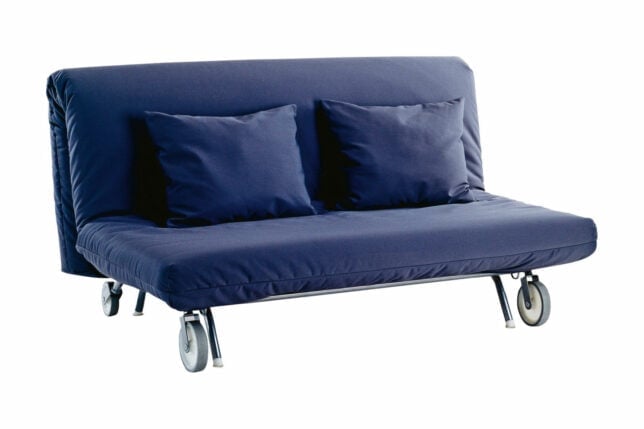
Take a typical IKEA sofa bed: the mechanism may be clever, the overall look modern, and the price appealing. But the tubular steel frames and thin support slats can feel less stable than a solid-wood structure. Mattresses in these sofa beds are often relatively thin and made from basic foam or synthetic latex blends. They may feel fine the first few nights but can start to compress or develop soft spots when used as a primary bed.
If you plan to sleep on a convertible piece every night, these compromises matter. A sofa bed that is slightly uncomfortable or unsupportive can quickly lead to back pain, poor sleep quality, and the need to replace the furniture sooner than expected. In that case, investing in a purpose-built convertible sofa bed that is designed for daily sleeping can be a better long-term value than buying the cheapest option available.
Materials Matter: Foam, Frames, and Mattresses
Another key difference between budget-friendly IKEA pieces and higher-quality futons or sofa beds is the choice of materials. Many IKEA mattresses and seat cushions are made with standard polyurethane foams. These can provide initial comfort but may break down more quickly under consistent pressure. Over time, you may notice increased sagging in the areas where you sit or sleep most often.
By contrast, premium futon mattresses are often constructed with denser foam layers, cotton batting, or more advanced hybrids that are engineered for longevity and support. When paired with solid-wood hardwood futon frames, they create a sturdier, more resilient sleep surface. This is especially important if you are relying on a futon or sofa bed as your primary bed rather than just a guest option.
If you are sensitive to pressure points or looking for healthier materials, it may also be worth exploring natural mattresses that use wool, cotton, latex, or other more durable and breathable components. While the upfront cost can be higher than a budget foam mattress, the lifespan and comfort can easily make up the difference.
Quality Futons and Sofa Beds as an IKEA Alternative
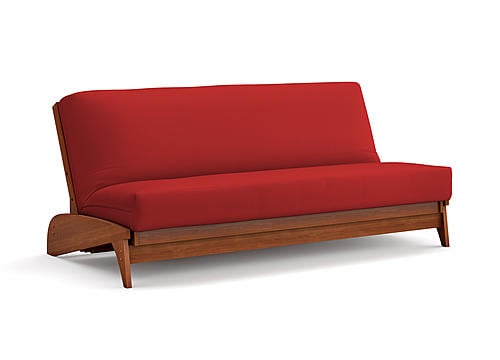
For shoppers who love the idea of multi-functional furniture but want more substance than a basic IKEA sofa bed, high-quality futons and convertible sofas can be an ideal middle ground. A solid-wood frame paired with a well-made mattress offers both the minimalist look and the everyday durability that small spaces demand.
Unlike many budget sleepers, these pieces are designed from the start to function as true beds, not just emergency guest options. The frame is built to handle repeated conversions between sofa and bed, and the mattress is thick and supportive enough for nightly use. If you prefer a clean, modern look, you can choose streamlined designs that complement contemporary interiors without the bulk of traditional sleeper sofas.
Futon sets that combine a sturdy frame, a quality mattress, and coordinated covers can be especially practical. With one purchase, you get seating, sleeping, and a cohesive design for your room. Explore curated futon sets and packages if you want a simple, all-in-one solution that is built to last longer than a typical budget sofa bed.
Buying an Inexpensive Futon With a Mattress: Frame vs Mattress Value
A futon set is not one product. It’s two. The frame handles structure, conversion, and long-term wear. The mattress handles comfort, support, and most of the sleep experience. Budget shopping gets much easier once you judge those two parts separately.
The Frame Is the Long-Term Purchase
If you choose well, the frame stays with you through moves, guest-room changes, and mattress upgrades — which makes it the piece worth protecting. A solid frame that opens and closes smoothly, sits level, and holds up under repeated use has lasting value. A weak frame becomes a replacement problem: once the mechanism starts sticking or the joints loosen, even a decent mattress can’t save the experience.
The Mattress Is the Replaceable Layer
Entry-level packages usually include a mattress that’s good enough for the price, not exceptional for the price — and that’s not a flaw. It’s the honest trade-off that makes inexpensive futons with mattresses possible. Many buyers are satisfied with a practical starter mattress because it gets the room functional now. Later, if the room turns into a more frequent sleep space, the mattress can be upgraded without replacing the whole setup.
Why Packages Often Make More Sense
Buying frame and mattress together usually gives a cleaner value equation than piecing everything together separately, because you can judge the balance of the set: does the mattress match the frame’s intended use, and is the bundle meant for a guest room, a studio, or more regular sleeping?
- Room is for guests first: prioritize a sturdy frame and accept a simpler mattress.
- Room is used daily as seating: focus on frame stability and an easy conversion mechanism.
- Someone will sleep on it often: don’t spend your whole budget chasing a stylish frame while ignoring mattress comfort.
- Budget is tight today: choose the strongest frame you can afford and plan to improve the mattress later if needed.
The smartest budget purchase is often not the softest mattress in the room. It’s the setup that keeps working after the first year.
How to Shop Smart and Avoid Hidden Costs
The cheapest futon listing is often not the cheapest futon to own. A good shopping process catches the costs and risks that don’t show up in the first product photo.
Check the All-In Price, Not the Headline Price
Delivery changes the math fast. A listing can look like a bargain until shipping gets added late in the process — local pickup, regional delivery, and in-home service can all affect cost. Compare the total delivered price to your location, not just the number on the collection page. Compare bundled options in free shipping futon sets and packages — don’t assume every package is priced the same way.
Confirm What’s Included
This catches a lot of first-time buyers. Some listings show a styled room photo with a frame, mattress, and cover, but price only the frame. Others include the mattress but not the cover. Some package listings are complete, some are partial, and some make you work to figure out which.
- Frame only or full set: read the title and specs carefully.
- Mattress thickness: if listed, treat it as a clue to likely comfort level.
- Cover inclusion: if the image shows one, verify it’s in the package.
- Assembly expectations: large furniture may arrive in multiple pieces or boxes.
Ask About Materials
Off-gassing and material quality are often left out of budget furniture listings, but they matter — cheap foam shouldn’t get a free pass just because the price is low. Ask what materials are used, and if the seller can’t answer clearly, take that seriously.
When IKEA Makes Sense—and When to Look Elsewhere
None of this means that IKEA should be avoided entirely. For many homes, IKEA is perfect for certain categories: inexpensive shelving, small side tables, simple desks, or decorative pieces that do not have to withstand heavy daily use. If you are furnishing a first apartment or a short-term rental and need to keep costs low, IKEA can be a practical starting point.
The key is to be strategic. For furniture that directly affects your comfort and health—like the place where you sleep every night—it often makes sense to invest more. This is where a well-built futon, convertible sofa, or traditional sofa paired with a quality mattress can dramatically outperform a budget piece in both comfort and lifespan.
Big Box Online Stores vs Local Furniture Shops
The “Free Shipping” Surprise: Delivery vs Curbside Drop-Off
One of the most common misunderstandings when buying big pieces online is confusing shipping with delivery. “Free shipping” usually just means the item will be transported from a warehouse to your curb or the front of your building. It does not guarantee that anyone will carry it up five flights of stairs, bring it into your apartment, or assemble it.
Imagine ordering a budget-friendly sofa bed for your walk-up apartment. The day arrives, the truck pulls up, and the driver calls you from downstairs. When you ask them to bring the box up, they remind you that the service is curbside only—they are not required to go inside the building. Suddenly, that online bargain comes with a heavy side of manual labor.
After dragging a bulky box up multiple flights of stairs, you still have to deal with assembly. Instructions can be confusing, hardware may be poorly labeled, and you may discover missing or damaged parts only after you’ve invested hours of work. By the time the sofa bed is finally standing in your living room, you’re exhausted—and sometimes disappointed by how it actually looks and feels.
The Hidden Cost of Returns and Service
Another major difference appears when something goes wrong. Returning a small décor item to a big box store is easy, but returning a sofa bed is a completely different story. Even if shipping to you was “free,” you’ll often have to pay to ship the item back—and return freight on large furniture can cost a significant portion of the original price.
Repairs and parts can also be frustrating. If a leg breaks, a mechanism jams, or a piece goes missing during assembly, you are usually dealing with a national call center that handles thousands of unrelated products. Waiting on hold, emailing photos, and going back and forth for weeks is common. Meanwhile, you’re stuck with a half-assembled or unusable piece of furniture in your living room.
A local furniture store approaches this very differently. Because they specialize in furniture—and often in particular categories like futon mattresses or adjustable futon frames—they know the products well and have direct relationships with manufacturers. If something arrives damaged or a part is missing, they can usually diagnose the issue quickly, order parts, or send a technician. Instead of navigating a maze of 800 numbers, you speak to someone who understands your purchase and has a real incentive to make it right.
Expert Advice vs One-Size-Fits-All Support
Furniture is not a one-size-fits-all purchase. The right piece depends on how you live, how often you’ll use it, and how much space you have. If you are choosing between a futon, a sofa bed, and a traditional sofa, having an experienced person walk you through the pros and cons can save you from years of discomfort.
Local retailers who specialize in futons, sofa beds, and compact living solutions talk about these products all day. They can explain the difference between various mattresses, show you how a mechanism works, and help you decide whether a compact sleeper, a full-size futon, or a sectional with a pull-out would best fit your space. They can also suggest complementary pieces—like living room furniture or practical coffee and end tables—that make your room more functional and comfortable.
Big box websites, on the other hand, carry thousands of unrelated items. Customer service agents rarely have deep product knowledge about specific sofa beds or futon mattresses. Some sites offer a “ask the manufacturer” feature, but you are still relying on answers from someone who represents just one brand and may not compare it honestly with other options.
Finding Long-Lasting Living Room Furniture
Before you commit to an IKEA sofa or sofa bed, take a moment to think about how often it will be used, how long you want it to last, and how important comfort is to you. If the answer is “every day” and “for years,” exploring alternatives is a smart move. Look at dedicated living room furniture collections that focus on solid construction, better cushioning, and higher-quality fabrics.
Convertible pieces are also worth a closer look. A purpose-built convertible sofa bed designed for nightly sleeping will usually offer more support and durability than an entry-level sleeper. And if you like the flexibility of a futon, you can pair a strong frame with the right mattress and upgrade your sleep surface just as you would with a conventional bed.
In the end, IKEA’s modern designs and low prices can be attractive, but true value comes from furniture that stays comfortable, supportive, and functional over time. With careful comparison—and a willingness to look beyond the most obvious budget options—you can find pieces that respect your budget while still delivering the comfort and longevity you expect from your home.